Search
MENU
Together We Rise
As we head into a pivotal 2026 midterm election, the AAUC brings together community leaders, experts, advocates, and allies from across the Sacramento region for a day of education and action.
Why Now?
AAPI communities remain woefully underrepresented in elected office, despite being one of the fastest-growing populations in the country. Voting rights are under threat. Housing costs are the #1 concern for 69% of California’s AAPI adults. AAPI adults remain the least likely of any racial group to seek mental health care. These are the everyday realities shaping our families, our neighborhoods, and our futures.
Each panel brings together subject matter experts to break down what’s really happening, how it impacts our communities, and, most importantly, what we can do through policy and action.
Organizations will have tabletop exhibit space to present their top community issues and action plans directly to attendees. Join the conversation.
This special presentation explains how Minnesotans built cross-sector coalitions during Operation Metro Surge to overcome the worst civic crisis in generations. We’ll present a blueprint that other communities can follow to affect change.
Join us in Sacramento as we come together: diverse, united, and ready to shape what comes next.
The AAUC Unity Summit is designed for community leaders, organizers, advocates, students, faith leaders, and anyone committed to strengthening minority communities. Registration is free.
University Union Ballroom
California State University Sacramento
6000 J Street
Sacramento, CA 95819
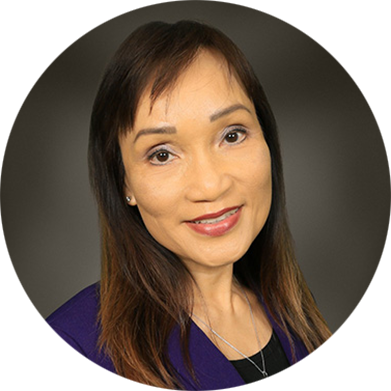
Dear Friends and Colleagues,
Welcome to the 2026 AAUC Unity Summit Sacramento. Whether this is your first time joining us or you’ve stood with this community before, I’m honored you’re here.
Our families are navigating rising costs, immigration fears, and a healthcare and political system that too often overlooks the AANHPI community. With the midterm election right around the corner, the Unity Summit addresses these issues.
In June, we held another Unity Summit in Minneapolis. We saw that our strength comes from being united, from showing up, speaking honestly, and refusing to be invisible. Our gathering in Sacramento promises the same.
I want to thank our speakers, sponsors, and every one of you in advance for standing with us.
Let’s get to work!
Yen Marshall
President
Asian American Unity Coalition
Help us empower the AANHPI community by supporting the 2026 Unity Summit. Learn more.
Hampton Inn & Suites Sacramento at CSUS
1875 65th Street, Sacramento, CA 95819
Tel: 916-451-1135
Group Code: 500, Group Name: AAUC
$145 per night plus tax if booked by September 15
Click here to reserve
8:30 AM – Registration and Networking
9:00 AM – Welcome
9:15 AM – Panel Discussion on Cost of Living and Affordability
10:00 AM – Panel Discussion on Mental Health, Identity, and Belonging
10:45 AM – Break
11:00 AM – Panel Discussion on Access to Healthcare and Public Benefits
11:45 AM – Keynote Speaker
12:00 PM – Lunch and Networking
1:15 PM – Keynote Speaker
1:30 PM – Panel Discussion on Political Representation and Voting Rights
2:15 PM – Panel Discussion on Immigration and Protection of Civil Rights
3:00 PM – Break
3:15 PM – The Minnesota Model
3:45 PM – Closing Remarks
4:00 PM – 6:00 PM – Reception and Cultural Performances
Cost of Living and Affordability
Rising housing costs, grocery prices, gas, and healthcare premiums are squeezing AANHPI households. Many of them live in intergenerational settings, own small businesses, or work in low-wage industries. This panel unpacks why affordability has become a crisis, how it disproportionately affects immigrant and minority families who often have less generational wealth to fall back on, and what policy solutions — from housing production to wage protections to targeted relief programs — could ease the burden. Attendees will leave understanding which affordability policies are on the ballot or under consideration in 2026, and how to advocate for their communities’ economic security.
Access to Healthcare and Public Benefits
Federal policies, including H.R. 1, the One Big Beautiful Bill Act, are taking way Medicare, Medicaid, food assistance, and other benefits to millions of lawfully residing non-citizens and humanitarian immigrants. By cutting these vital health and nutrition lifelines, H.R. 1 compounds economic pressure on low-income minority and immigrant households, significantly increasing their risks of long-term poverty and worsening health disparities. This panel will examine what’s driving these changes and what we can do to mitigate the harm. This includes providing multi-lingual outreach, enrollment assistance, legal support, trusted-messenger education, coordination among clinics, food banks, schools, and community organizations, and getting involved politically.
Immigration and Protection of Civil Rights
From California to Maine, using ICE to enforce immigration laws was a gross violation of our civil rights, with some victims paying the ultimate price. This panel brings together experts to discuss recent developments in immigration policy and how we can make our electeds more accountable in upholding the Constitution. The panel will also address ongoing concerns about discrimination, hate crimes, workplace protections, due process, and equal treatment under the law that continue to shape the experiences of immigrant and minority communities.
Mental Health, Identity, and Belonging
Of all racial groups in the United States, AANHPI adults are the least likely to seek mental health treatment. Many Southeast Asian families continue to carry the lasting effects of war, forced migration, refugee resettlement, discrimination, and intergenerational trauma. Combined with cultural stigma surrounding mental illness and limited access to culturally responsive care, these experiences can make it difficult for individuals and families to seek support. This session moves beyond clinical definitions of mental illness to explore mental wellness as something rooted in cultural identity and a genuine sense of belonging. The panels will also advocate for more state and federal funding, increased language access, and grants for nonprofit service providers.
Political Representation and Voting Rights
7.2% of the U.S. population is AANHPI, yet they comprise less than 1% of elected officials. They are the least represented racial group in American government despite being one of the fastest-growing demographics in the country. Many eligible voters continue to face barriers related to language access, redistricting, voter education, and political engagement. This panel will outline concrete steps attendees can take to reverse these trends and build political power.
The Minnesota Model
The Minnesota Model refers to the cross-sectional civic mobilization that emerged in Minnesota in response to Operation Metro Surge. It involved the simultaneous, interconnected engagement of multiple layers of society working in coordination. This presentation will explain how Minnesota’s civic culture made it possible for coalitions to form organically and rapidly in response to a crisis, and how this dynamic can be replicated in other communities.